La Mata and Torrevieja Lagoons Natural Park — a practical guide
Two salt lagoons, walking and cycling routes, and excellent birdwatching. Learn the difference between La Mata Lagoon and Torrevieja's pink lagoon.
Parque Natural de las Lagunas de La Mata y Torrevieja covers around 3,700 hectares and protects two salt lagoons and their surrounding habitats. It is a rewarding place for walking, cycling and birdwatching. Before setting out, check current notices and maps on the official park website.
Two lagoons, two different landscapes
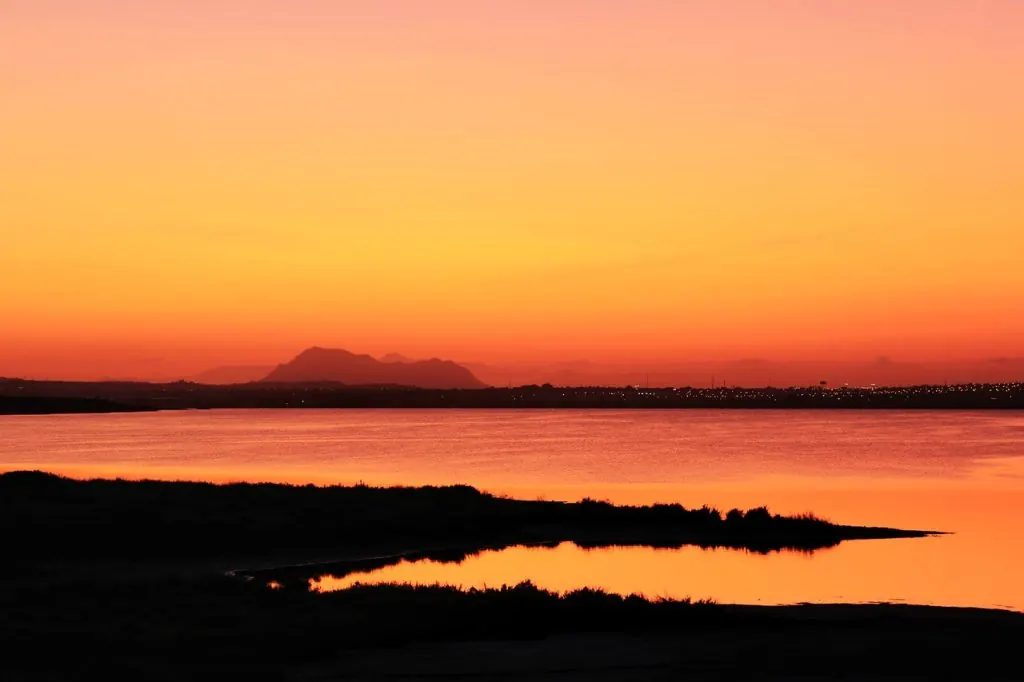
An important distinction: Laguna de Torrevieja is the lagoon known for its pink colour. Laguna de La Mata is usually greenish or blue. Both belong to the same natural park, but they are not the same lake.
The pink colour of Torrevieja Lagoon is associated with its very high salinity and salt-tolerant microorganisms, including Dunaliella salina. Its intensity depends on the weather, light and salt concentration, so the lagoon will not always look like it does in photographs.
Marked routes
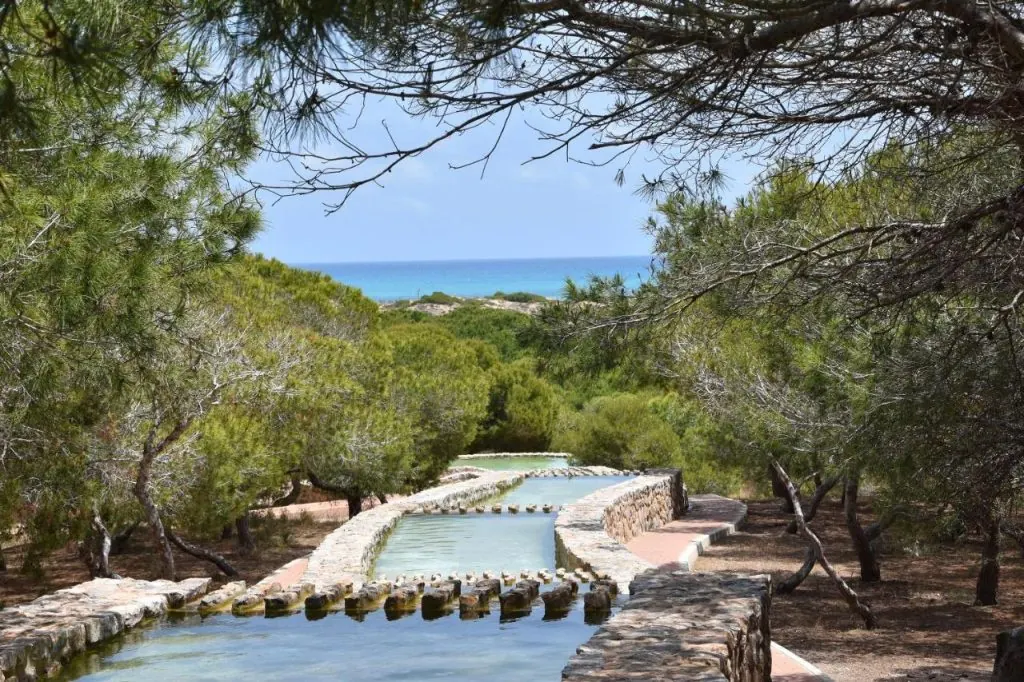
Several marked routes start around La Mata Lagoon. According to park materials, these include:
- the yellow route — a walking loop of approximately 3.5 km
- the red route — a cycling route of approximately 5.2 km
- the purple route — a short vineyard-related walking route of approximately 1.5 km
Birds and wildlife
The park is an important area for waterbirds and migrating species. Official information mentions almost one hundred recorded bird species. Depending on the season, you may see flamingos, grebes, stilts, gulls and several types of duck. Sightings are never guaranteed and depend on the time of year, water levels and weather.
Observe wildlife from the marked paths and viewpoints. Do not approach the lagoon shore or disturb the birds. Binoculars or a camera with a telephoto lens are useful.
What to bring
- drinking water, especially during warmer months
- a hat and high-factor sunscreen
- comfortable footwear suitable for sand, gravel and compacted paths
- mosquito repellent, particularly near dusk
- binoculars if you plan to watch birds
Practical information
Entry to the natural park is free. The visitor centre has more limited opening hours than the outdoor trails, and these may vary by season, so check before visiting. In summer, choose the morning or late afternoon and avoid the hottest part of the day.
We do not give a fixed walking time from the apartment because it depends on the entrance and route you choose. Check the current route in your map app before leaving.